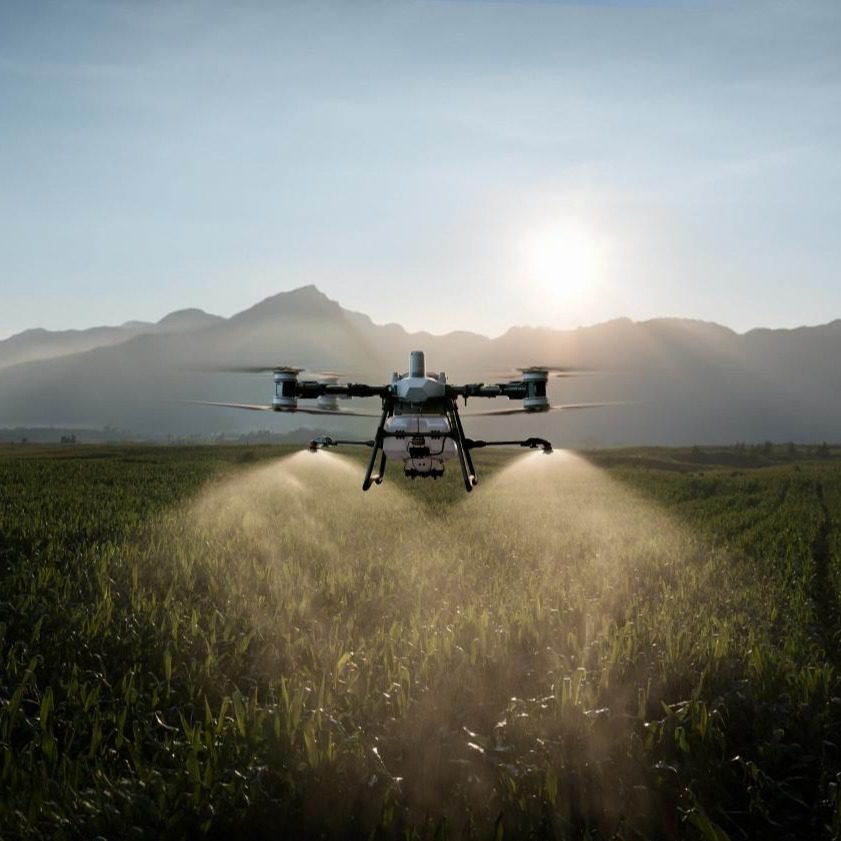
The DJI AGRAS T‑100 is DJI’s flagship agricultural drone, engineered for heavy‑duty spraying, spreading, and lifting tasks. Globally, the T‑100 was designed with a payload capacity of up to 100 kg and a maximum take‑off weight (MTOW) of 177 kg.
However, under CASA’s Australian regulations, the MTOW is capped at 149.9 kg. So what does this mean
Introduction: The DJI AGRAS T-100 and Its Place in Modern Australian Agriculture
The DJI AGRAS T-100 represents a significant leap forward in agricultural drone technology, offering unprecedented payload capacity, modular versatility, and advanced safety features. Globally, the T-100 is engineered for a maximum take-off weight (MTOW) of up to 177 kg and a payload capacity of 100 kg, positioning it as one of the most capable agricultural drones on the market. However, in Australia, the Civil Aviation Safety Authority (CASA) has set a strict MTOW limit of 149.9 kg for the T-100, classifying it as a “medium” remotely piloted aircraft (RPA) and thereby shaping its operational parameters and regulatory requirements.

The Following provides a comprehensive analysis of the DJI AGRAS T-100’s capabilities, with a particular focus on its payload configurations and compliance with Australian aviation regulations. The analysis includes a detailed breakdown of payload calculations under the 149.9 kg MTOW, verification of operational payload limits for spraying and spreading, and a review of CASA’s regulatory framework for medium RPA operations. The report also addresses best practices for safe and compliant drone use in Australian agriculture, drawing on official CASA guidance, vendor expertise, and the latest technical specifications. Whilst the Author confirms the validity of this report, it can only be confirmed up until the date that this article is posted. Similarly, the Author would urge all readers to undertake their own research to confirm the information that is provided for its relevance and interpretation.
Section 1: Confirming the Australian MTOW for the DJI AGRAS T-100
1.1. Global vs. Australian MTOW: Understanding the Distinction
The DJI AGRAS T-100 was designed with a global MTOW of up to 177 kg (for spraying with four nozzles), and a payload capacity of up to 100 kg for both spraying and lifting operations. However, in Australia, DJI has implemented a firmware and operational cap that limits the T-100’s MTOW to 149.9 kg, in direct response to CASA’s regulatory requirements for medium RPA.
Key Points:
- Global MTOW: Up to 177 kg (spraying with four nozzles)
- Australian MTOW: Strictly limited to 149.9 kg for all configurations
This adjustment ensures that the T-100 remains within the “medium RPA” category under Australian law, avoiding the more stringent requirements and operational restrictions associated with “large RPA” (over 150 kg).
1.2. CASA’s Medium RPA Category and Its Implications
According to CASA’s Civil Aviation Safety Regulations (CASR) 101.022, a “medium RPA” is defined as an unmanned aircraft with a gross weight of more than 25 kg but not more than 150 kg. The T-100’s Australian MTOW of 149.9 kg places it squarely within this category, triggering specific licensing, operational, and documentation requirements for operators.
Summary Table: RPA Categories under CASR 101.022

Analysis:
The 149.9 kg MTOW is not arbitrary; it is a deliberate threshold that allows the T-100 to be operated under the medium RPA framework, which is more accessible for commercial agricultural operators than the large RPA category. This classification affects not only the drone’s legal status but also the training, certification, and operational procedures required for compliance.
Section 2: DJI AGRAS T-100 Technical Specifications and Payload Modules
2.1. Aircraft Base Weights and Module Configurations
To accurately calculate compliant payloads under the 149.9 kg MTOW, it is essential to understand the base weights of the T-100 in its various configurations, as well as the weights of batteries and payload modules. The following table has been extracted from the download resource section found at https://ag.dji.com/t100/specs
- Module weight of AGRAS T100
- Weight for spraying: 75 kg (standard with 2 nozzles)
Weight for spraying: 77 kg (optional with 4 nozzles)
Weight for spreading: 75 kg (equipped with spreading system)
Weight for lifting: 65 kg (equipped with lifting system)
Weight for lifting: 90 kg (equipped with dual-battery lifting system)
The Author assumes that the above information is the gross weight of the air frame, the battery (or both batteries for dual lift kit) and the application module. As this is specifically not indicated on the source website, this assumption is based on unconfirmed comments from DJI and also first hand experience when it comes to flying the AGRAS T100, based on this information the calculation to find the payload weight would be
Section 3: Regulatory Compliance – CASA Rules for Medium RPA Operations
3.1. CASA’s Medium RPA Framework
Under CASA’s regulations, the operation of medium RPA (25–150 kg) is subject to specific licensing, operational, and record-keeping requirements.
Key Requirements:
- Remote Pilot Licence (RePL): Operators must hold a RePL with a type endorsement for the T-100.
- Remote Operator’s Certificate (ReOC): Required for commercial operations, including aerial spraying and spreading.
- Drone Registration: Mandatory for all drones over 250 g used for work.
- Operational Records: Detailed logs of each flight, payload, chemicals used, and environmental conditions must be kept for at least three years.
- Standard RPA Operating Conditions: Visual line of sight, maximum altitude of 120 m, minimum 30 m from people, daylight operations, and avoidance of populous areas and no-fly zones.
3.2. Type Endorsement and Training
To operate the T-100, pilots must complete a type endorsement assessment, which includes both theoretical and practical components specific to the T-100’s systems and operational risks. Training providers such as FPV Australia offer these endorsements and can assist with ReOC applications and operational setup.
3.3. ReOC Amendments and Fleet Management
Operators must update their operations manual, procedures, and fleet list, and submit the changes to CASA either as a significant change which would require the ReOC to be re-issued or if the addition does not change the operation risk profile, the submission would be a non-significant submission.
3.4. State and Territory Chemical Application Laws
In addition to CASA’s aviation regulations, operators must comply with state and territory laws regarding the aerial application of chemicals. This may include:
• Chemical User Permits (e.g., ACUP in Victoria)
• Aerial Distribution Licences (e.g., Queensland)
• Pesticide Act compliance (e.g., NSW)
• APVMA registration for chemicals used
Operators must ensure all chemical handling, mixing, and application is conducted in accordance with label instructions and environmental protection guidelines.
Section 4: Best Practices for Payload Management and Operational Safety
4.1. Safety Margins and Real-World Payload Limits
While the theoretical maximum payloads are calculated based on the MTOW, best practice is to apply a safety margin to account for:
• Variations in liquid density (e.g., agrochemicals denser than water)
• Environmental factors (temperature, wind, humidity)
• Equipment tolerances and wear
• Regulatory and insurance requirements
4.2. Calibration and Record-Keeping
Accurate calibration of the spraying and spreading systems is essential for both efficacy and compliance. Operators should:
• Calibrate flow rates and swath widths before each job
• Record all calibration settings, flight paths, and application rates
• Use water-sensitive paper or digital tools to verify spray coverage and uniformity.
4.3. Environmental and Chemical Safety
Operators must:
• Use only APVMA-registered chemicals
• Follow label instructions for mixing, application rates, and buffer zones
• Avoid spraying in high winds, during temperature inversions, or near sensitive areas (waterways, residences)
• Wear appropriate PPE and maintain spill kits on site.
4.4. Maintenance and Pre-Flight Checks
Routine maintenance and thorough pre-flight checks are critical for safe operations:
• Inspect propellers, motors, and sensors for damage
• Ensure batteries are fully charged and within cycle limits
• Verify firmware is up to date and MTOW limits are enforced
• Confirm all safety systems (radar, LiDAR, vision) are functional.
From operational experience, it is recommended that a high degree of attention be placed on the flushing of spray lines and pump motors. Given the corrosive nature of some of the chemicals that pass through the system, it has been noted that parts will wear much quicker then mentioned in guidelines and to ensure longevity of your RPAS/spray module that great care be taken in this respect.
Conclusion
The DJI AGRAS T‑100 is DJI’s flagship agricultural drone, engineered for heavy‑duty spraying, spreading, and lifting tasks. Globally, the T‑100 was designed with a payload capacity of up to 100 kg and a maximum take‑off weight (MTOW) of 177 kg.
However, under CASA’s Australian regulations, the MTOW is capped at 149.9 kg. This is the critical figure for operators in Australia — and it’s enforced directly by the DJI app, which prevents take‑off once the drone exceeds this weight.
At Coffs Coast Drones, we specialise in ensuring every operation is compliant, efficient, and safe.
🌱 Why Choose Coffs Coast Drones?
- Local expertise: We understand CASA regulations and ensure every AGRAS T‑100 operation is compliant.
- Precision agriculture: From spraying to spreading, we help farmers maximise efficiency while staying within MTOW limits.
- Safety first: Our workflows are designed to prevent overloading, ensuring safe and legal drone operations.
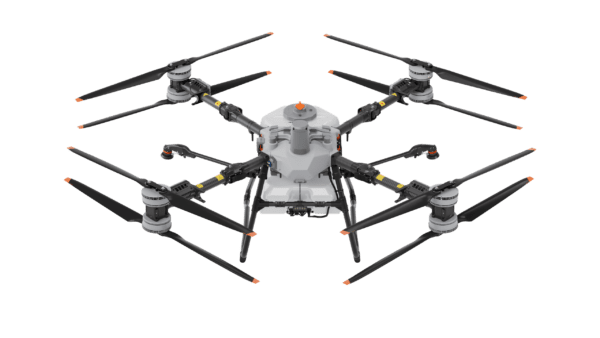
DJI Agras T100 including Intelligent Airframe; C10000 charger, 3x DB2160 batteries, 1x WB37 Battery with Charger
$45,000.00 GST Inc
A new flagship from DJI, the AGRAS T100 is here and certainly disrupting the industry. Engineered to lift 100kg, nerfed down to fit into the medium drone category to keep it accessible by most.
Are you local? Do you want a demonstration, give us a call to discuss. Coffs Coast Drones can make it happen.
In stock (can be backordered)
- Drone Safety Advocate
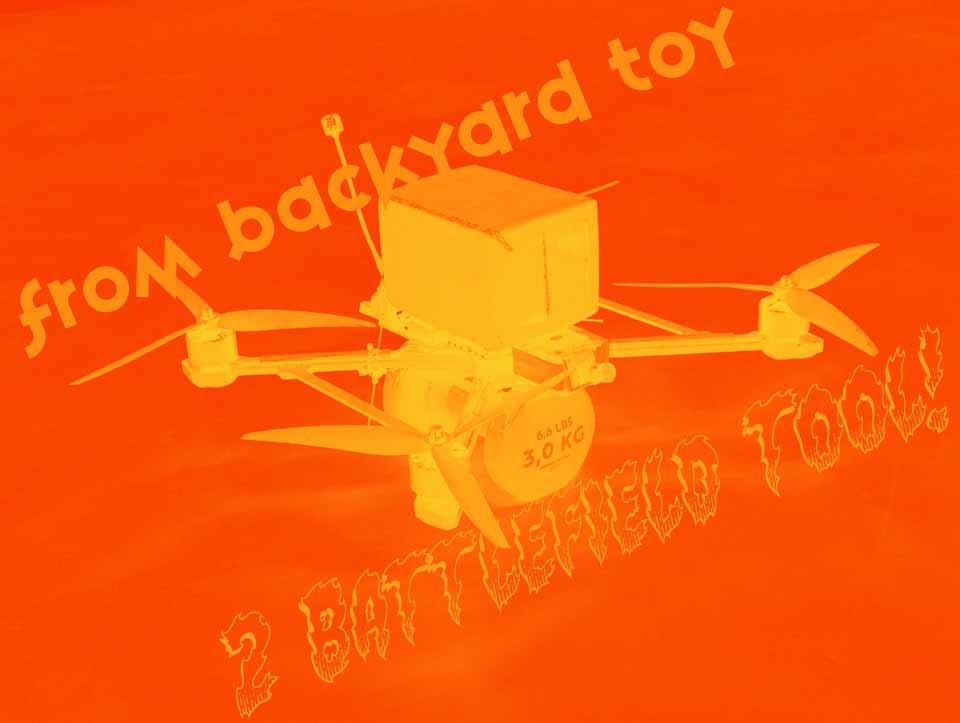
- Backyard Toy to Battlefield Tool
- The new DJI AGRAS T100 and the regulations surrounding its payload weight. This is what you need to know.
- Unitree Robotics: The Disruptive Force in Quadruped and Humanoid Robotics
- Why the DJI Mini 5 Pro, DJI Flip, and DJI Avata Are Perfect Beginner Drones